

What to Look For in a Garden Patio Heater Electric
Look for models with several heat settings if want to get the most value of your electric garden patio heater. This will reduce your running costs as you will only use the heat that you need.
Also consider the heating power of each model, which is listed in BTUs. A higher number will generate more heat and can be used to determine the size of space that a heater can heat.
Versatility
Patio heaters increase the functionality of your outdoor living space, allowing you to enjoy your garden into the night and across the seasons. They are available in gas and electric models, depending on your preference and the size of your outdoor area. Some are freestanding, whereas others are wall mounted or integrated into your gazebo or pergola.
Gas patio heaters emit infrared energy into the air. Patio heaters, in contrast to other space heaters that blow air over a hot coil in order to warm it up they use an infrared light beam to heat objects and people directly. This makes them an excellent option for large, well-ventilated spaces. The quantity of heat they generate can be adjusted by turning the controls on the unit with a remote control, or the help of a timer. Depending on the capacity of the heater, it is able to warm up to 215ft2. The majority of gas patio heaters require the connection of an gas line, however portable propane models operate off an internal tank and can be moved around as needed.
A patio heater that is electrical is powered by electricity, which means it doesn't have the same safety concerns as a gas model. It is important to read the instructions and follow the manufacturer's guidelines before installing a patio heater. Check for an automatic tip-over shut-off that will detect when a heater has fallen.
A patio heater can be a great way to keep warm during the cold evening. They're typically tall and cylindrical, with a large metal disk on top that reflects the heat downwards to warm the space around it. They are typically made of aluminum powder coated with stainless steel. This makes them strong and impervious to weather.
A patio heater can also protect your body from cold air if there is a breeze. Certain models come with a tilt adjustment so you can focus the heat where you need it, while others have an integrated remote for easy control.
Safety
Patio heaters offer warmth and ambience for outdoor gatherings. They are available in a variety of styles and sizes. Gas or electric powered, they are available in a variety of styles and sizes. The decision is based on several factors, including the desired heating capacity as well as the availability and price of propane or natural gas as well as aesthetic preferences. Bromic's extensive range of outdoor heaters comprises both electric and gas models.
Electric heaters utilize infrared technology to heat objects or individuals directly, rather than the air surrounding them. This allows for more targeted and effective heating, and lower energy consumption compared to traditional gas heaters.
Many electric heaters come with safety features built in, such as automatic shutoff in the event of a tip-over, and overheating protection. These features help to ensure that the heater isn't a fire risk when used in enclosed areas and will shut it off if the temperature is too high.
It is vital to remember that even the most safe electric heaters can pose fire hazards in the event that they are located too close to flammable material or if someone moves them when they are still hot. It is therefore recommended that patio heaters are kept at least three feet away from any combustible materials and that people stay close enough to avoid accidentally contacting the heater when it is operating.
When choosing an electric heater, it's crucial to choose one that has an impressive IP rating and is designed for outdoor use. This will help to ensure that the heater is able to endure exposure to rain, snow and fluctuating temperatures. You should also make sure the model you select includes a thermocouple or an automatic shut-off feature in case of malfunction.
It is also important to register your patio heater with the manufacturer so that you can be contacted in case of any safety warnings or recalls. outdoor electric heater patio will also be easier to return the heater in the event of a need. It is also essential to keep the area where you plan to use the heater clear of any debris, like leaves and twigs, that could end in the burner.
Environmentally friendly
Contrary to gas patio heaters, which are powered by propane bottled or butane gas, electric heaters are powered by electricity, which means that they don't produce carbon dioxide emissions. While they might take longer to warm up than a gas patio heater, once switched on they provide instant heat. This is great for those looking to contribute to conserving the planet or aren't a fan of heaters that produce CO2.
In addition to being eco green, electric patio heaters are also safer than other forms of outdoor heating. While braziers and fire pits can burn a range of fuels, ranging from seasoned wood to smokeless coal they are known to release soot into the air, which causes poor air quality. Electric patio heaters differ since they utilize infrared radiation to heat people and objects, not the air. This makes them safer and cleaner.
Electric patio heaters can also be removed when they are not being used. This is great when you're hosting guests and don't want to disturb them with lights from the heater that isn't providing any heat. A lot of top-of-the-line models from brands like AEI's Infratech even have an remote control that lets you to control the unit without stepping up, which is useful for those who are unable to move around.
The only drawback to an electric garden heater is that the unit itself can't be reused, meaning it will eventually end up in landfill which is a real regret when you think about the modern design there are now. The gas cylinder can be returned to the business that supplied it, however the other parts of the heater needs to dismantled and disposed of by a professional.
Convenience
Installation is relatively simple for most patio heaters particularly those that are tabletop or freestanding mounted. The installation of wall-mounted or hanging heaters is more complicated and requires a skilled touch.
Whichever type of patio heater you choose, there are a range of features that will meet your requirements. For example, many electric heaters have remote controls, as well as adjustable heat settings. You can switch off your patio heater and on with a single click, and then adjust the temperature using another. This lets you remain seated and not need to move the heater. This can help cut down on energy consumption and running costs as you can control the temperature more effectively as you only use it for the time you need it.
It is also important to think about the type of fuel you prefer and the area that you plan to heat. Propane heaters are more mobile since they do not need to be plugged in however they require tanks that are large and needs to be replenished regularly. Gas heaters can be the ideal choice for large areas because they are hardwired to your home's gas line. This means that you do not have to purchase or refill propane tanks.
If you are looking for the most sustainable option, then electric heaters are the way to go since they release less CO2 than gas or propane models and are typically less expensive to run. However it is crucial to remember that these heaters are not as powerful as their gas or propane counterparts, and may not be able to heat the vast outdoor space.
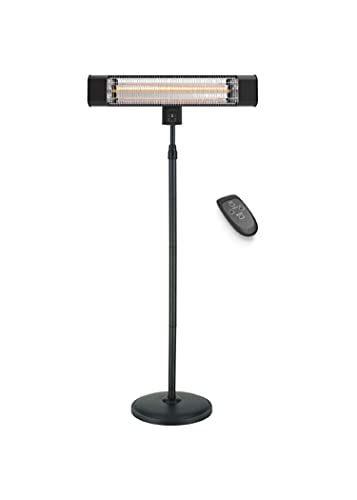
It is also important to remember that most electric heaters have a short power cord. This could make it difficult to position the heater wherever you'd like to. The majority of manufacturers offer electric heaters that have a lead up to 1.8 meters long to comply with safety standards. This means that many customers will require an extension cable in order to be in a position to use their outdoor heater however they decide to use it.